

A Commitment to the Past
Three places. Three very different histories. One belief: the past deserves more than to be remembered. It deserves to be cared for, inhabited, and loved.
Not just studied.
Selma Mansion
Built 1810 · Restored · 2016–2019
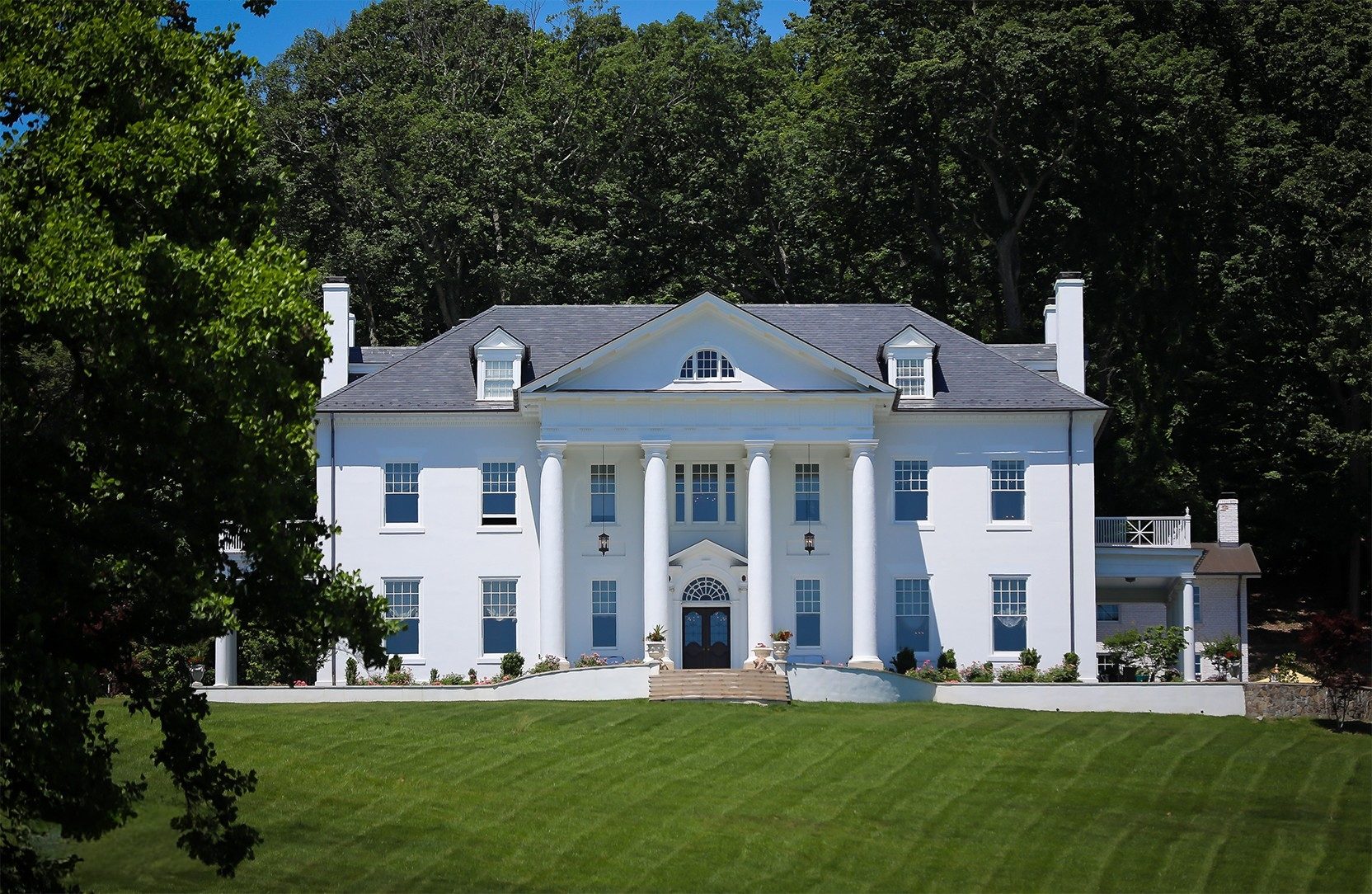
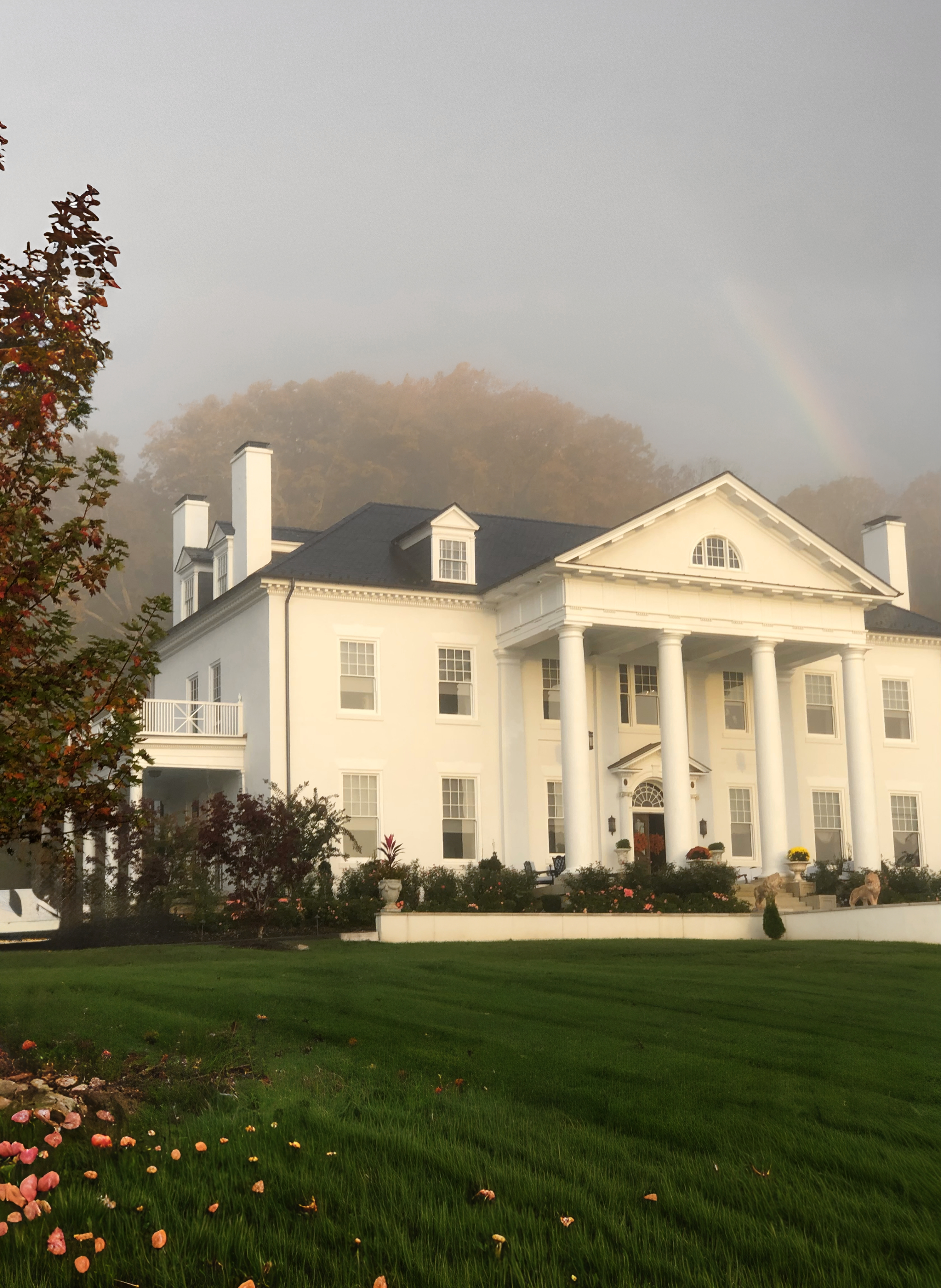
By the time Sharon Virts and Scott Miller discovered Selma in 2016, the once-grand mansion had endured decades of abandonment, vandalism, and the threat of demolition.
What followed was not simply a renovation. It was a three-year effort to bring Selma back without erasing what two centuries had left behind.
Guided by historic architectural plans and a commitment to traditional craftsmanship, original heart pine floors, hand-plastered walls, century-old mantels, and other surviving details were preserved wherever possible.
And people began watching.
More than 109,000 followers followed Selma's return—watching a house nearly lost to history become a home once again.
- Purchased in 2016 after years of abandonment and vandalism
- Three-year restoration preserving original heart pine floors, hand-plastered walls, and century-old mantels
- Recipient of Preservation Virginia's 2020 Gabriella Page Award for Outstanding Preservation
- 109,000+ social media followers followed the restoration journey
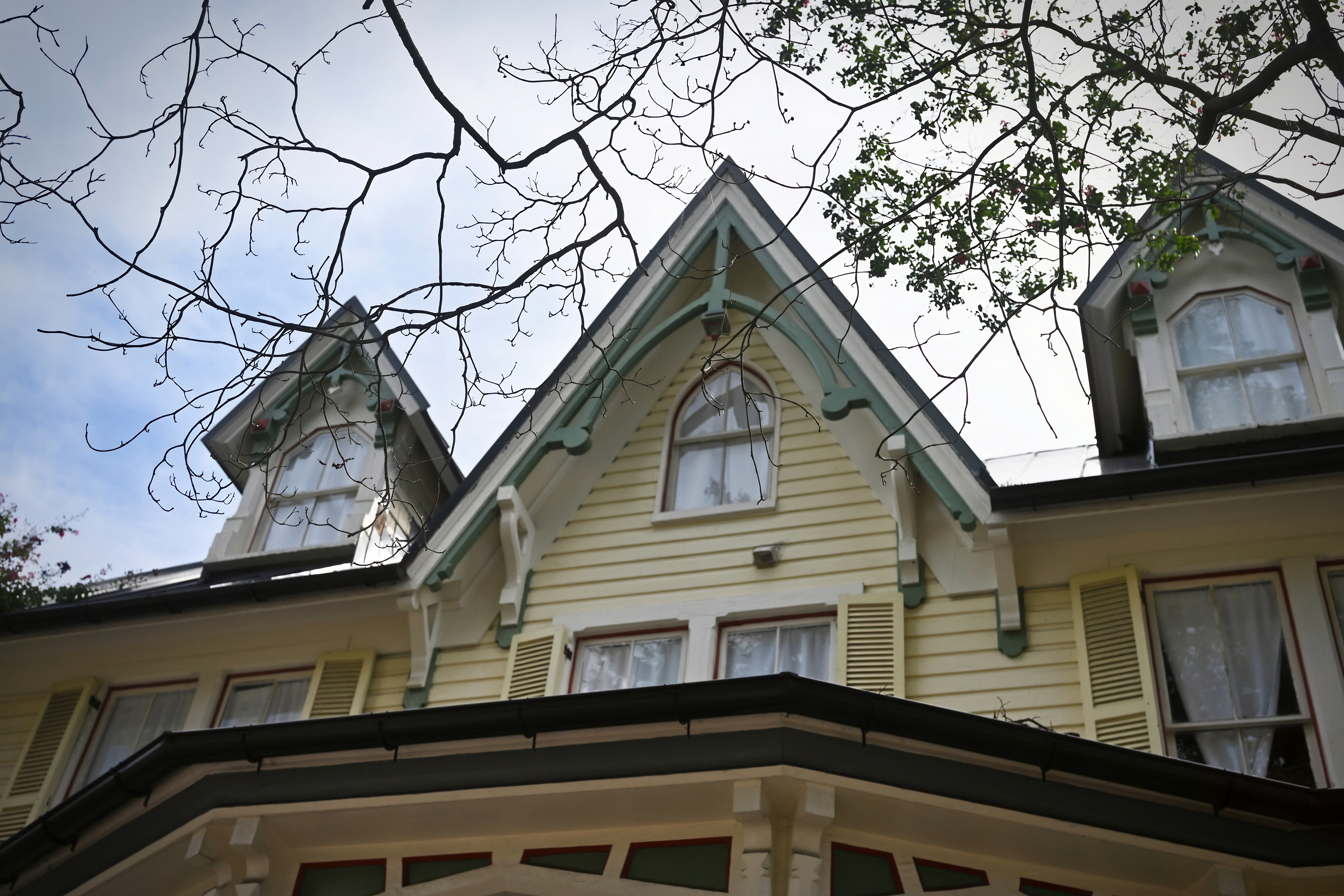
The Eliza House
Built 1811 · Restoration In Progress
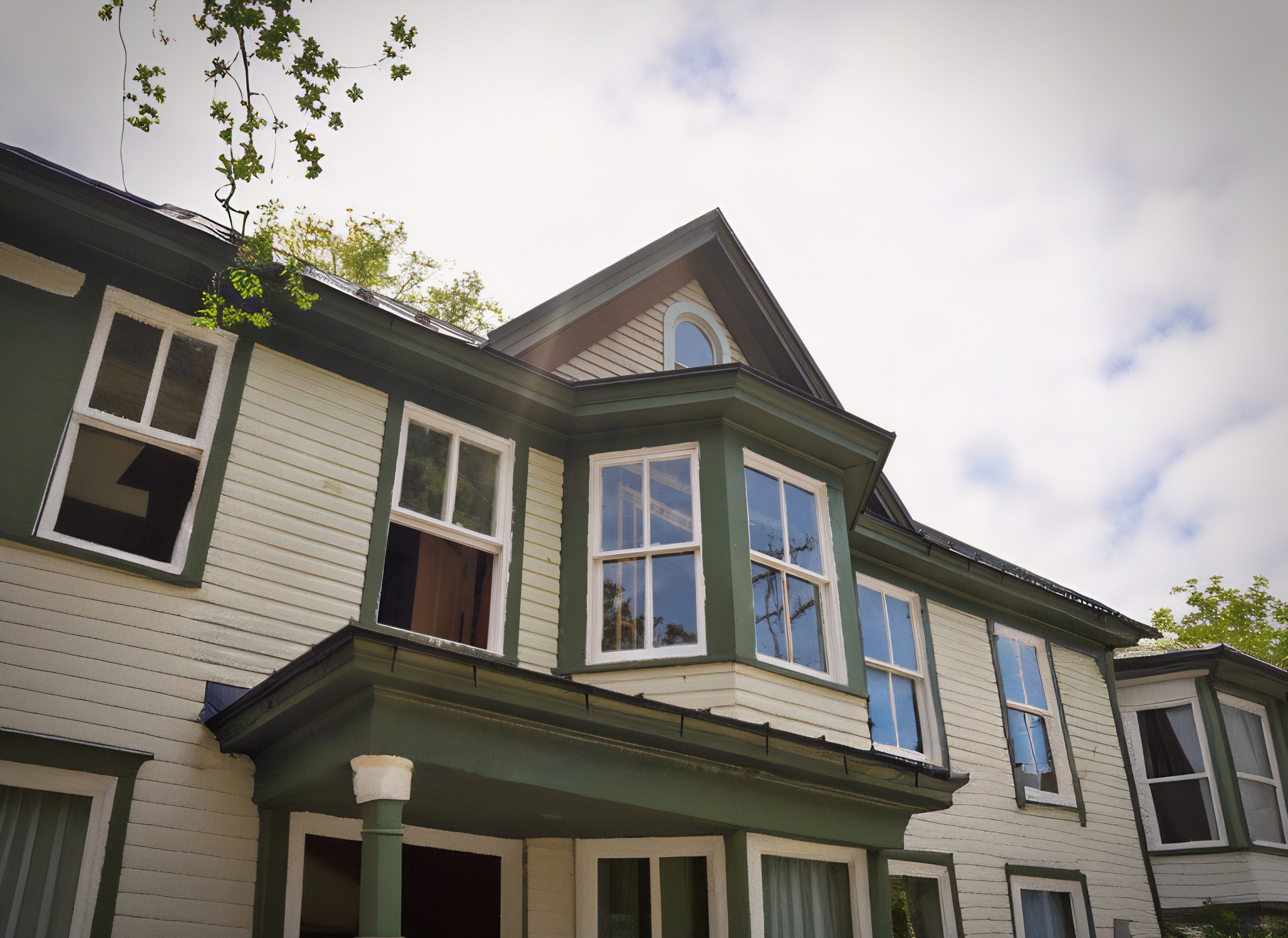
The Eliza House tells a different kind of preservation story.
Built in 1811 and long known as the Lynch House, the Federal-style home was renamed for Eliza Thompson, a woman who fought a thirteen-year legal battle for ownership of the property after her husband's death during the Civil War.
Her fight became part of the house's identity.
Sharon and Scott acquired the property in 2020 with the same philosophy they brought to Selma: preserve what can be preserved, restore what has been lost, and give an old house a reason to live for another century.
Some say Eliza never entirely left.
- Built in 1811 — a Federal-style home in downtown Leesburg
- Named for Eliza Thompson, who fought a 13-year battle to keep her home after the Civil War
- Restored with the same care, craftsmanship, and preservation standards as Selma
- Now given a new purpose — supporting women through Mosaic and creating a place for second chances and new beginnings
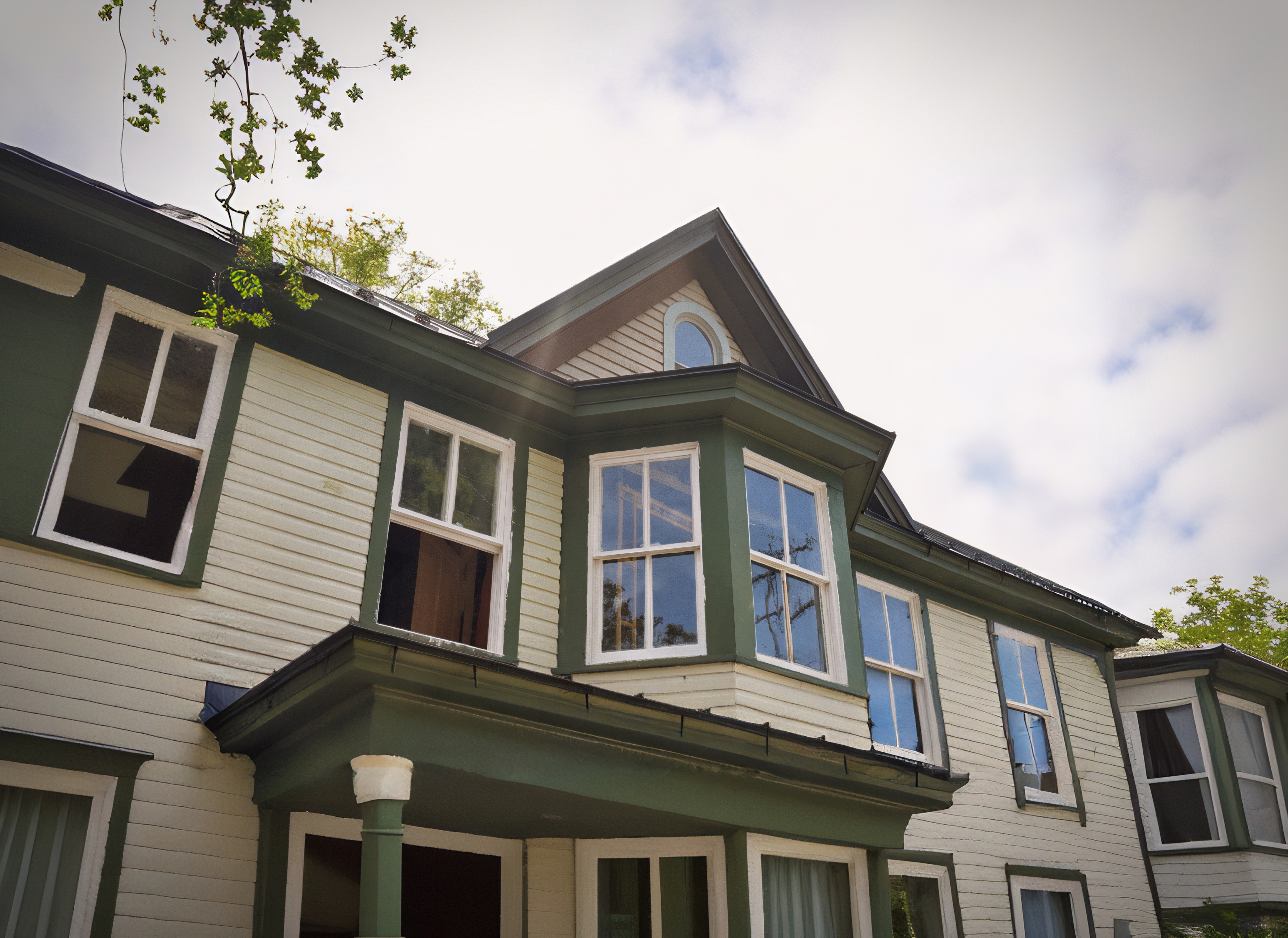
The Whitmore Properties
Built 19th Century · Restoration In Progress
Not every house belonged to a senator.
The Whitmore Properties tell a quieter story.
Elias and Mary Whitmore—a schoolteacher and a postmaster—were not among Virginia's grand or famous. They were simply part of the fabric of their community.
And that is precisely why their story matters.
Preservation is not only about mansions and monuments.
It is about the ordinary rooms where people worked, raised families, grew old, and quietly became part of the history of a place.
The Whitmore Properties are Sharon and Scott's newest preservation effort—and another reminder that history does not have to be famous to be worth saving.
- The newest restoration project for Sharon and Scott
- Home of Elias and Mary Whitmore — a schoolteacher and postmaster
- A story of ordinary lives and quiet dignity, not just the grand and famous
- Restoration in progress — follow along as the work unfolds
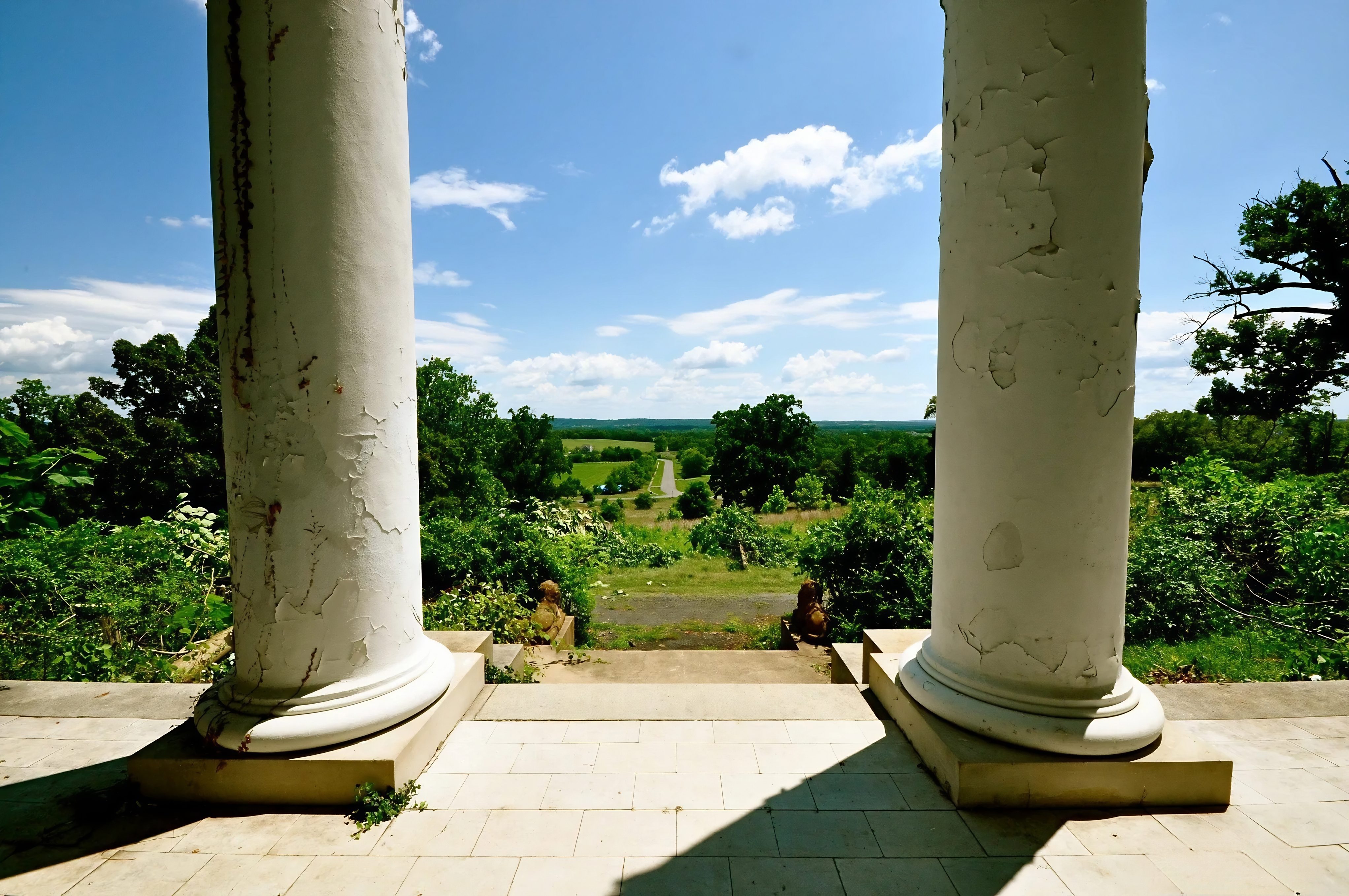
"From Selma's porch, the land stretches on — the same view the Mason family saw two centuries ago, preserved now for centuries to come."
— The View That Inspired a Legacy
Through the Virts Miller Foundation
Preservation in the Community
Preservation doesn't stop at the property line.
Belmont Enslaved Cemetery
The largest known African American Burial Ground for the Enslaved in Loudoun County. Spanning over 120 acres and 220 years, this once-abandoned heritage site holds the key to unlocking the true history of the African American experience in Loudoun. The Virts Miller Foundation helped restore the cemetery and gravesite markers.
Loudoun County Museum
Sharon serves as President and Chair of the Board of Trustees. Under her leadership, the museum has undergone a major transformation — new exhibits, renovated public areas, and a campaign to give visitors a 360-degree view of Loudoun's history. Sharon and Scott provided a foundational donation to kick off the campaign.
Preservation Virginia Award
In 2020, Sharon and Scott received the Gabriella Page Award for Outstanding Preservation Project — recognizing the Selma Mansion restoration as the project that best exemplifies the use of preservation standards and brings an outstanding building into appropriate contemporary use.
2026 JARB Preservation Award
Sharon's son, Lucas Mason, was selected by the Loudoun County Joint Architectural Review Board (JARB) to receive 2026 awards for his rehabilitation and addition work at 204 and 208 North King Street in Leesburg — recognized for his dedication to preserving the character of the historic district. The awards were presented at the Loudoun Preservation Society's gala at Morven Park.
A Preservationist's Point of View
Preservation or Progress?
Op-Ed · Loudoun Now · July 2026
"Process must serve preservation's purpose — not become it."
— Sharon Virts
I've spent enough time around old buildings to know one thing: water doesn't wait for a committee. A leaking roof doesn't care how many meetings have been scheduled. Rot never pauses while another report is written. Every season of delay leaves another stain, another weakened beam, another piece of history that no amount of money can fully restore.
While serving on the board of Oatlands, the historic Carter estate south of Leesburg, we had an opportunity to replace the mansion's failing roof before the damage became irreversible. A qualified contractor had submitted a proposal for under $100,000, and my family foundation donated $50,000 to help make it happen. But once additional reviews and expanded planning entered the picture, what began as a straightforward roof replacement became a comprehensive storm water management plan estimated to cost nearly ten times as much. The money no longer worked. The project stalled. The roof continued to leak.
No one intended that outcome. Everyone involved loved the house and wanted to fix the roof. But as bureaucracy added more reviews, more requirements, and more ambitions to the project, replacing the roof gave way to perfecting the plan. The process outlasted my patience, and I stepped down from the Oatlands board. I could no longer accept responsibility for watching a historic building deteriorate while waiting for permission to save it.
Wood · Stone · Story
The Through-Line of Preservation
From the heart pine floors of Selma to the Federal brick of the Eliza House and the quiet stones of the Whitmore Properties, every place carries something forward.
A house survives. A story survives with it.
Proceeds from Sharon's books and paintings help extend preservation beyond these individual properties and into the surrounding community — through the Virts Miller Foundation.
Learn About the FoundationA Note on Purpose
"Every book I write, every canvas I fill, every door I open at Selma — it is all the same gesture. Come in. The past is waiting."
Author. Artist. Historian. Preservationist.