
Fields of Honor Series
The World of Fields of Honor
Where honor binds, blood follows. Explore the characters, real places, and historical forces behind Sharon Virts' landmark six-book saga.
The Central Question
"The field never stays behind you. Honor is a reckoning that follows you home."
Fields of Honor is the story of a family—and the choices that shape twenty-seven years of their lives. It begins on a February morning in 1819, when a bitter family feud brings Jack McCarty face-to-face with his cousin on a dueling field at Bladensburg. What happens there sets in motion consequences no one can foresee.
Across a generation, Jack and William—and the fiercely independent women who love, challenge, and sometimes defy them—confront choices between love and duty, ambition and loyalty, convention and conscience. Their private struggles unfold against a nation wrestling with the same contradictions: freedom and slavery, expansion and dispossession, principle and power.
At its heart, Fields of Honor asks a deceptively simple question: When the moment of choice comes, who will you choose to be—and can you live with what follows?

Follow the Saga on TikTok
Sharon shares the history, places, and people behind the Fields of Honor series on TikTok. Follow along for behind-the-scenes research, book club picks, and the real Loudoun County places that inspired the saga.

Sharon Virts Books
Fields of Honor · BookTok · #ReadWithSharon
A Mirror, Not a Memory
The world of Fields of Honor may be two centuries removed from our own, but the choices its characters face are not. They inherit expectations about family, loyalty, ambition, love, race, reputation, and their place in society—then discover that inheritance does not absolve them from deciding for themselves what they believe. Fields of Honor is not nostalgia. It is a mirror: a story of men and women caught between the world they inherited and the one taking shape around them—and of the choices they make when conscience, desire, duty, and consequence collide.
The Saga Timeline
Six books. Twenty-seven years. One family's reckoning with the promises America made—and failed to keep.
Book 1 · Masque of Honor
1816–1819
Identity
Who are you when the person you believe yourself to be is put to the test? A bitter family feud draws Jack McCarty toward a confrontation at Bladensburg.
Book 2 · Bargains of Fate
1822–1825
Choice
What are you willing to sacrifice for the life you want? Every bargain has its price—even when someone else is asked to pay it.
Book 3 · Swamp of Lies
1826–1829
Integrity
Can you remain who you are when the world rewards you for becoming someone else? William heads to territorial Florida determined to impose order.
Book 4 · Yoke of Ambition
1830–1835
Restraint
When does holding the line become its own kind of choice? Duty, ambition, conscience, and family pull in different directions.
Book 5 · Edge of Reckoning
1835–1838
Responsibility
Can you escape the consequences of a world you choose to leave behind? Jack journeys beyond Virginia to the rapidly changing western territories.
Book 6 · Measure of Consequence
1840–1843
Courage
What do we owe one another when standing aside is also a choice? A generation of choices has shaped the McCartys and the country around them.
Meet the Characters
Real families, imagined inwardly. Every major character in the series is rooted in historical record.

John "Jack" McCarty
The Protagonist — The Man Who Could Not Walk Away
Books 1–6

Lucinda Lee McCarty
The Heroine — The Woman Who Refused to Fit the Mold
Books 1–6

William McCarty
The Brother Who Believed in the System
Books 1–6

Emily Mason McCarty
The Matriarch — The Mother Who Held the Line
Books 1–5

Armistead Thomson Mason
The Rival — The Legacy No One Could Outrun
Books 1–6

Dennis McCarty
Jack's Kinsman — Danger at the Back Door
Books 2–3

Fanny Lee
The Woman Who Plays by Her Own Rules
Books 1–2, 4–6

James Dulaney
Fanny Lee's First Love
Books 1–2
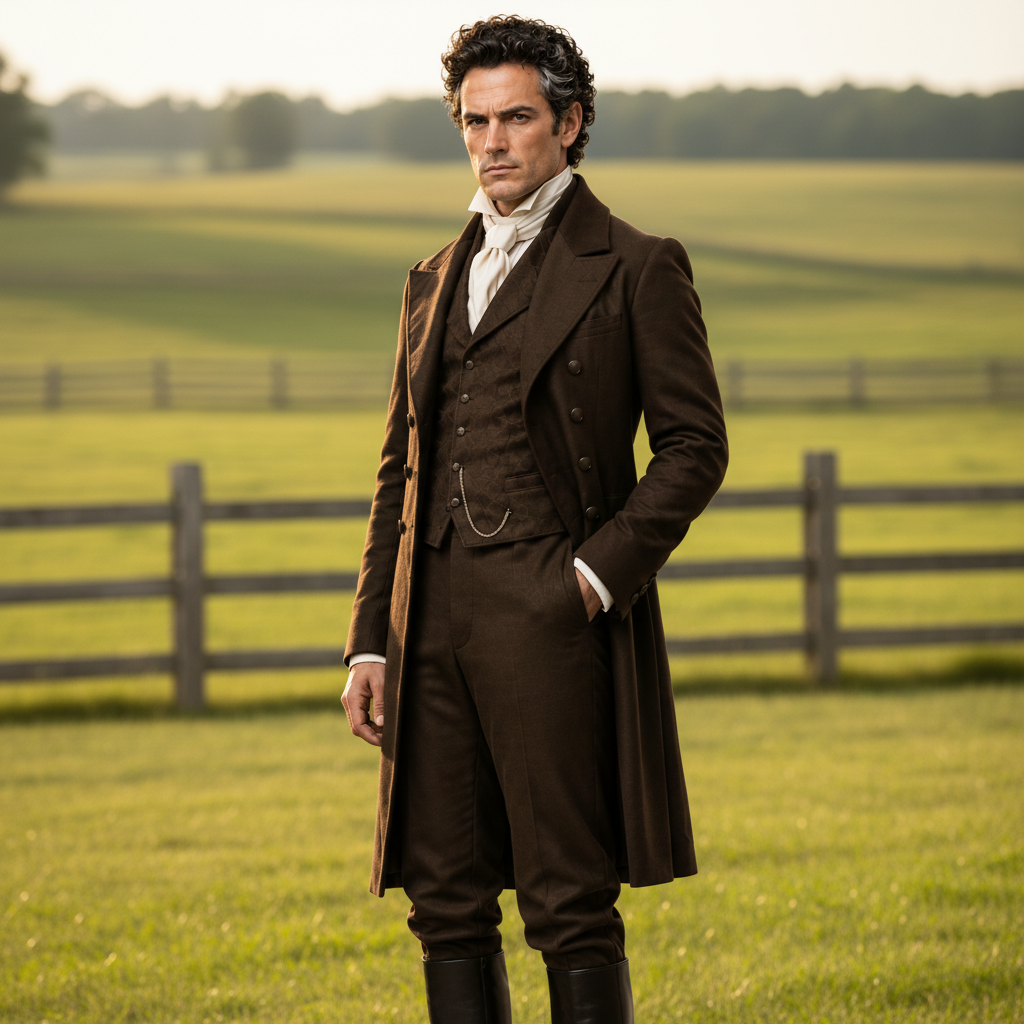
French Beatty
Fanny Lee's Secret Love
Books 1–2

Josephine Beatty
French Beatty's Wife
Books 1–2
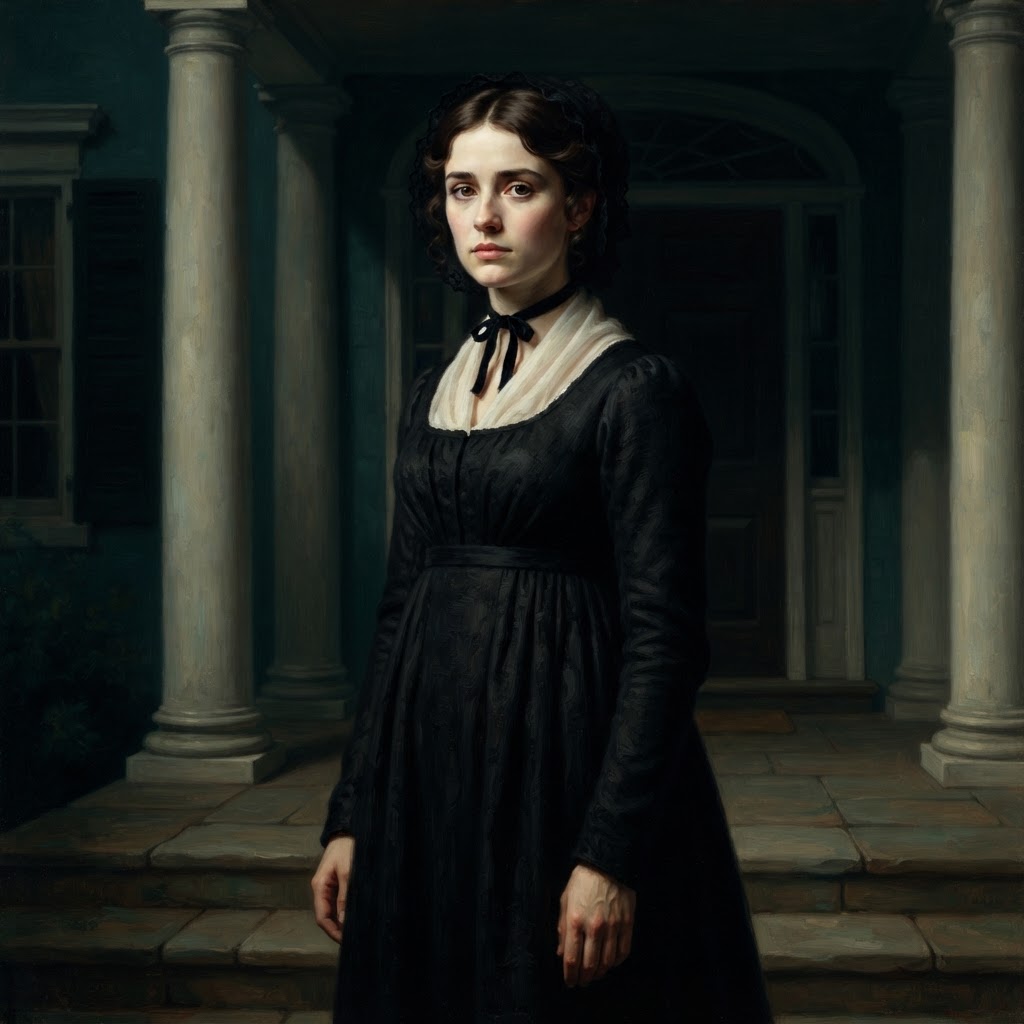
Charlotte Mason
The Widow at Selma
Books 1, 4–6
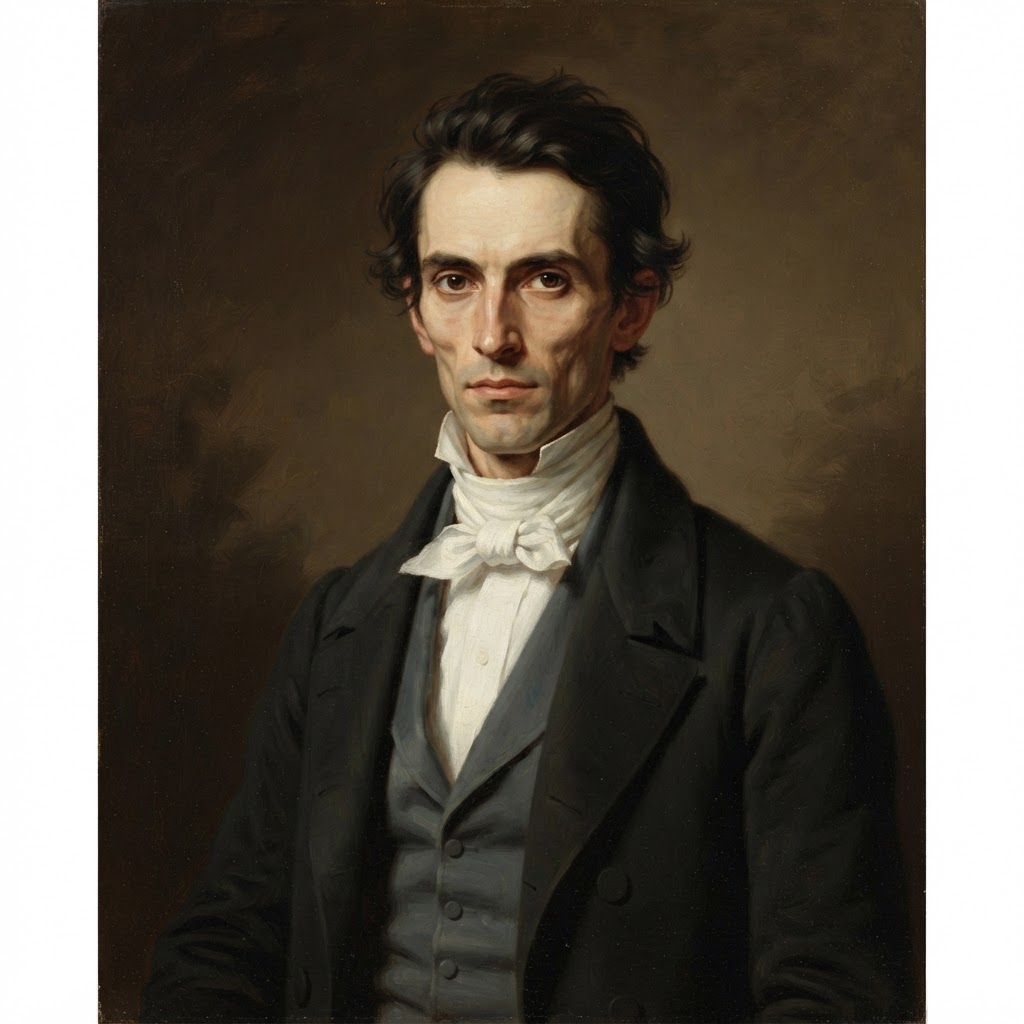
Henry Wise
The Antagonist — The Man Who Plays to Win
Books 3–6
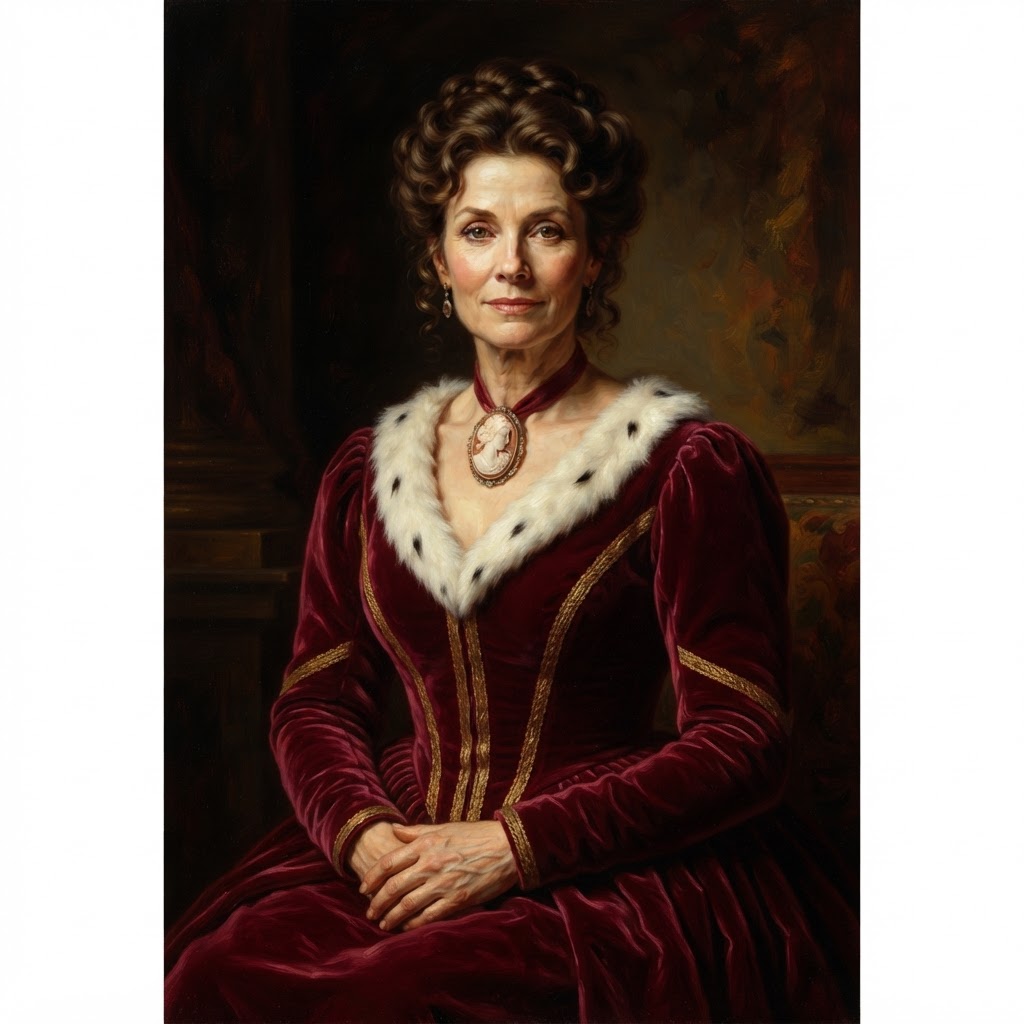
Sally McCarty
The Matriarch — A Mason by Blood
Books 1–3

Dr. Cary Seldon
The Physician Who Stepped Onto the Field
Books 1–6

Dr. Harry Claggett
Selden's Opponent — The Physician-Duelist
Book 2 (1825)
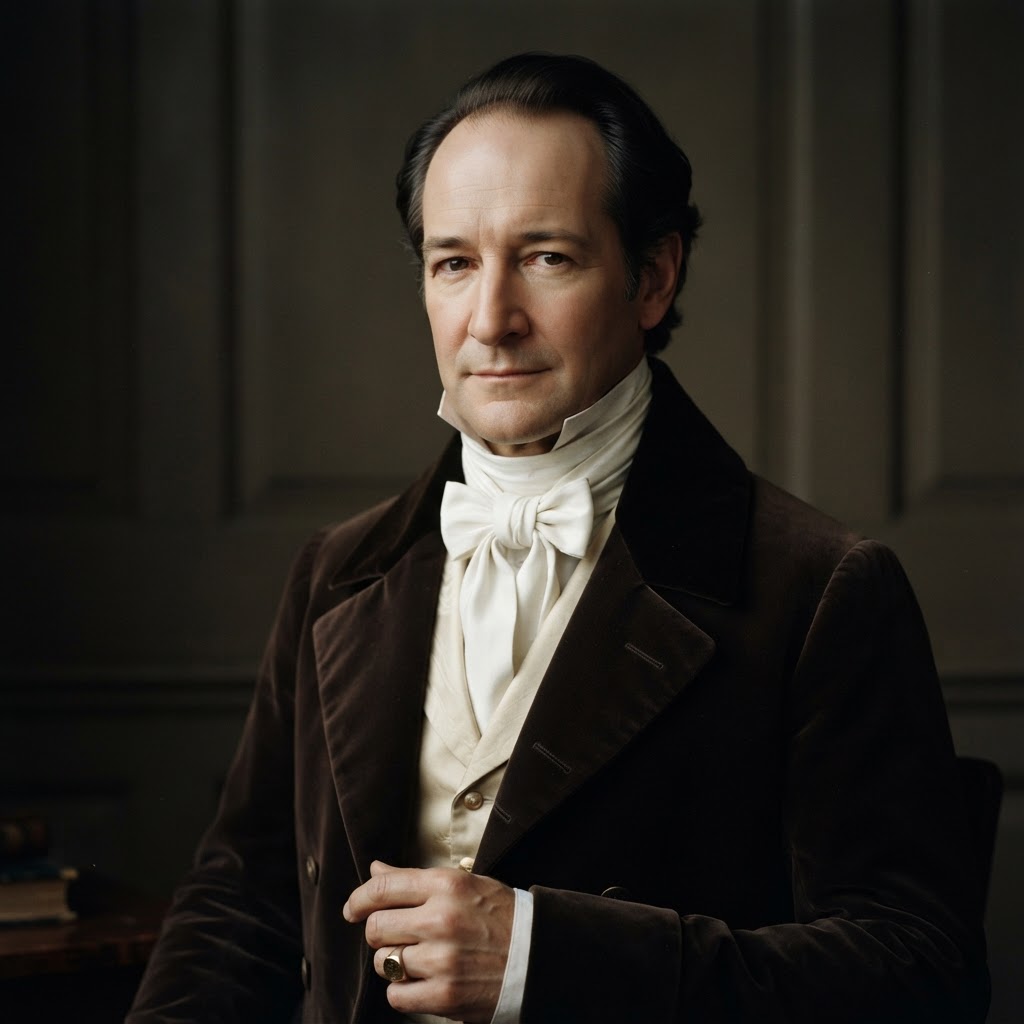
Charles Fenton Mercer
Virginia Statesman
Books 1–6

Zachariah Dulaney
Jack's Jockey and Friend
Books 3–6

George Rust
The Neighbor — Witness to the Saga
Books 1–6

Jordan Graves
Political Operative
Books 3–5

Ginny Henderson Graves
Virginia Society
Books 1, 3–6
Click any portrait for more detail.
Historical Figures
The real men and women who shaped the world Jack McCarty was born into.
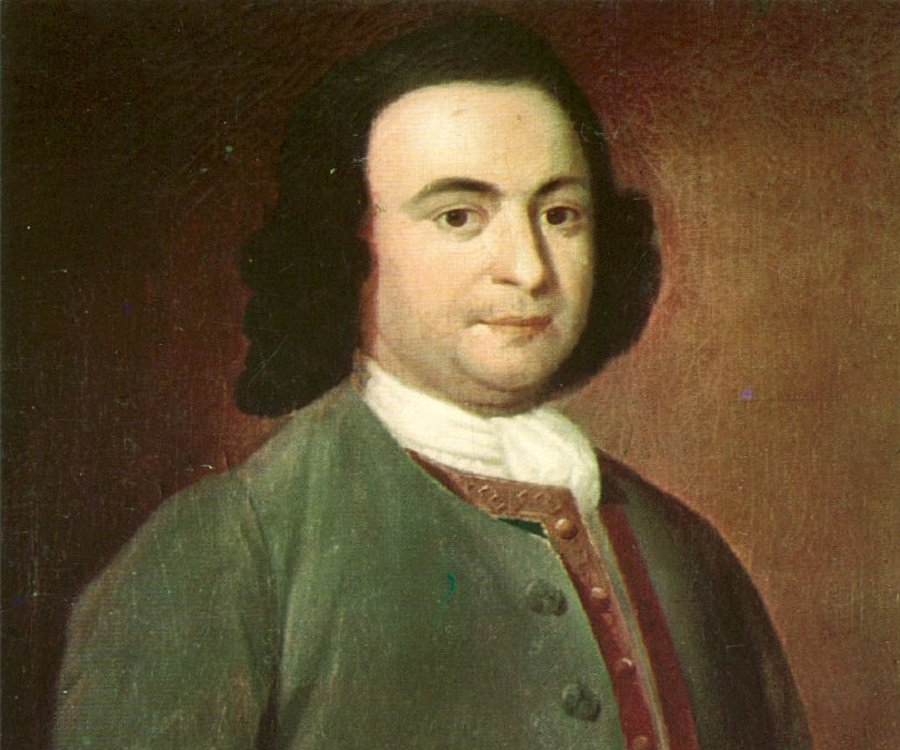
George Mason IV
The ancestor whose towering legacy both Armistead and Jack are measured against — and forever found wanting.
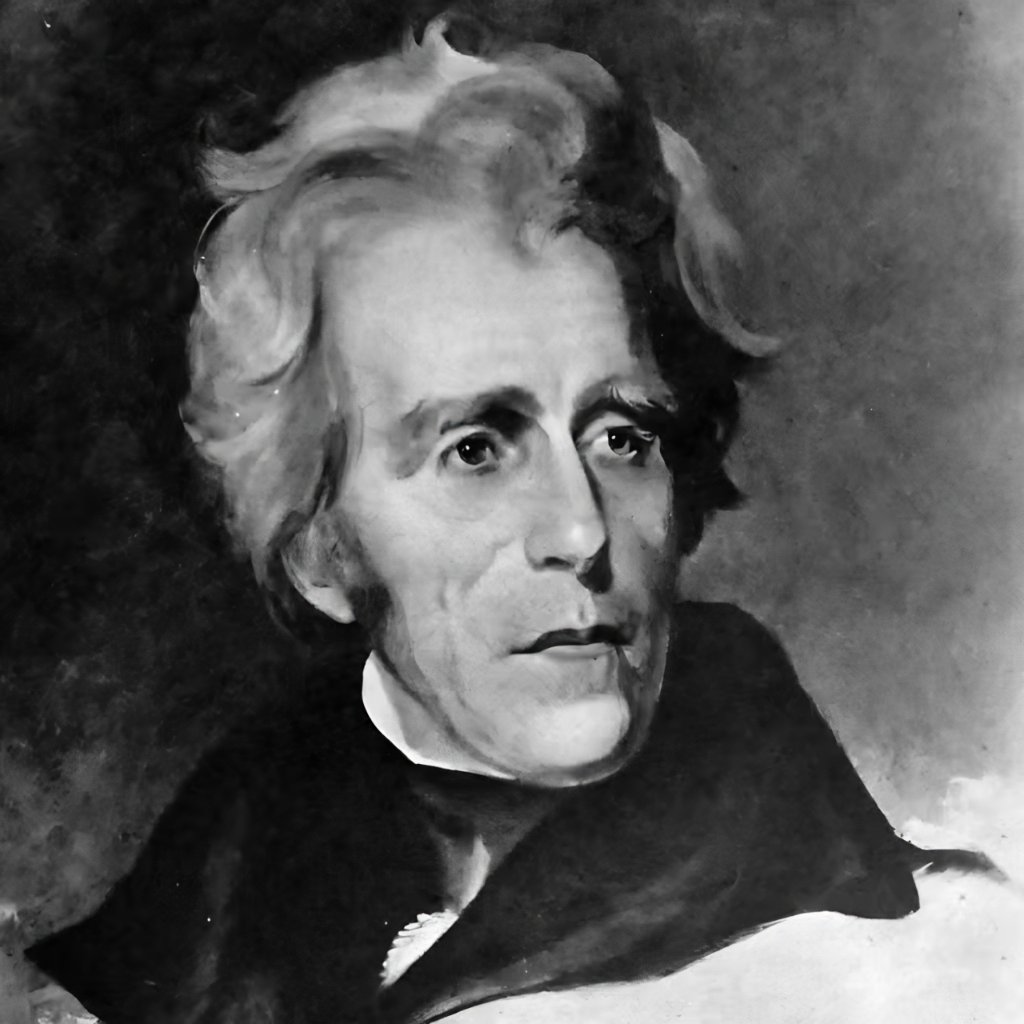
Andrew Jackson
His Indian Removal Act reshapes William's world in Florida — a law that forces every principled man to choose a side.
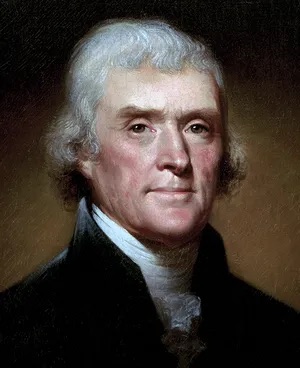
Thomas Jefferson
The philosophical shadow that falls over Virginia society — his ideals of liberty constantly at war with the realities his generation built.
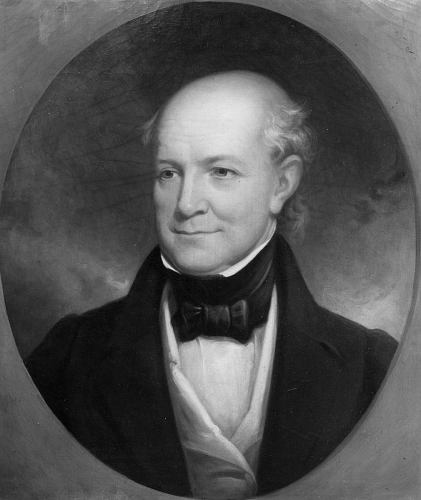
Charles Fenton Mercer
Virginia Congressman. Converts Jack's acquittal into political capital and becomes Jack's patron — and eventually his rival.
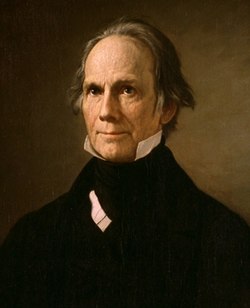
Henry Clay
The towering statesman whose presidential ambitions and political rivalries shape the national backdrop of the series. His influence is felt across multiple books as the political landscape shifts around the McCarty brothers.
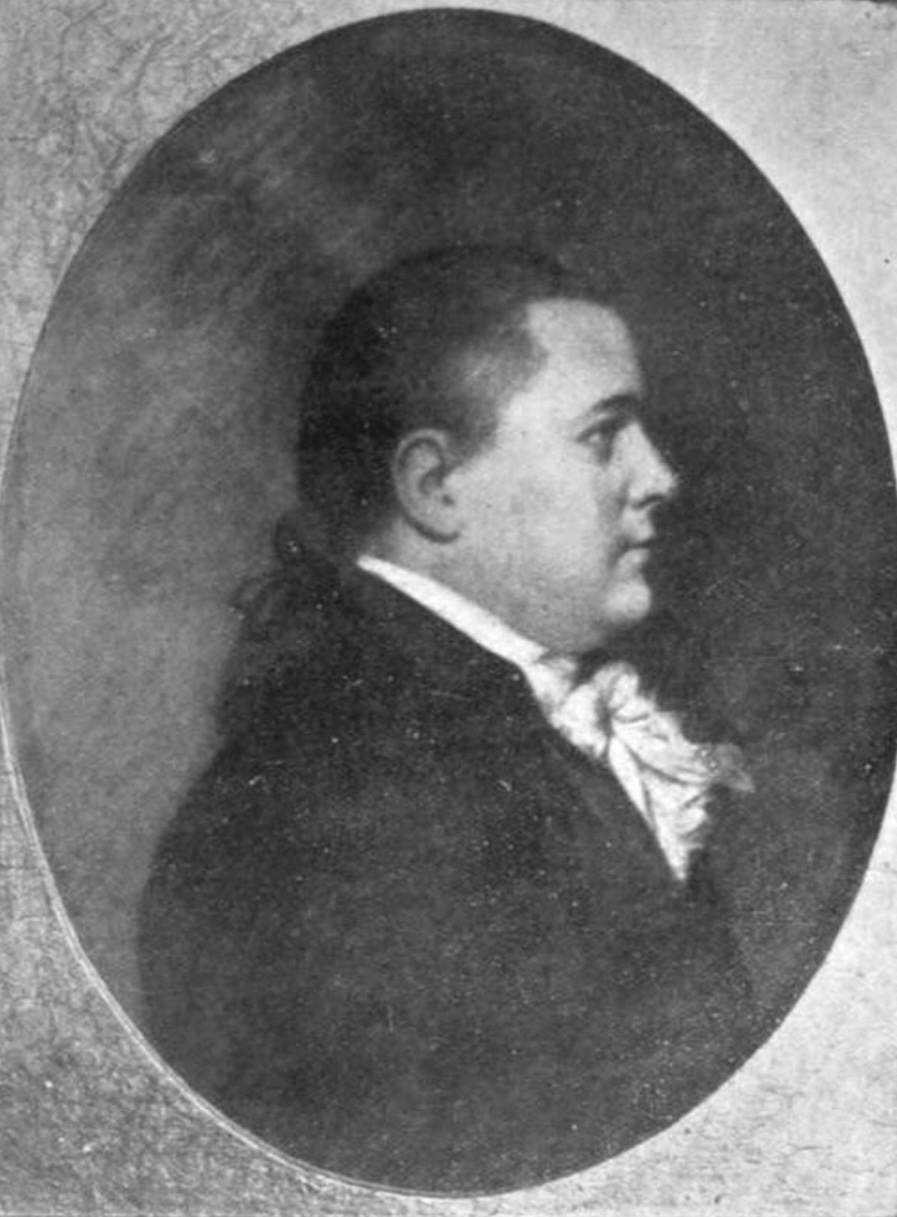
Stevens Thomson Mason
Of Raspberry Plain — the Mason patriarch whose legacy defines what Armistead believes he is owed.
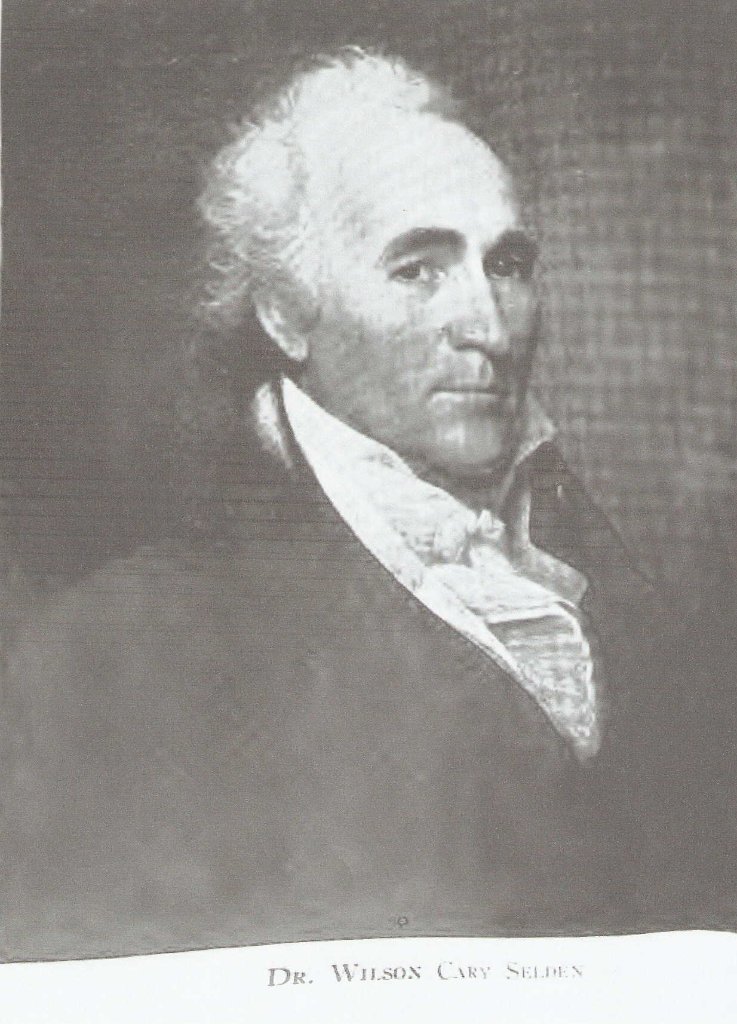
Dr. Wilson Cary Selden
The physician present at Bladensburg — a witness to the duel whose account becomes one of the primary historical sources for the event.
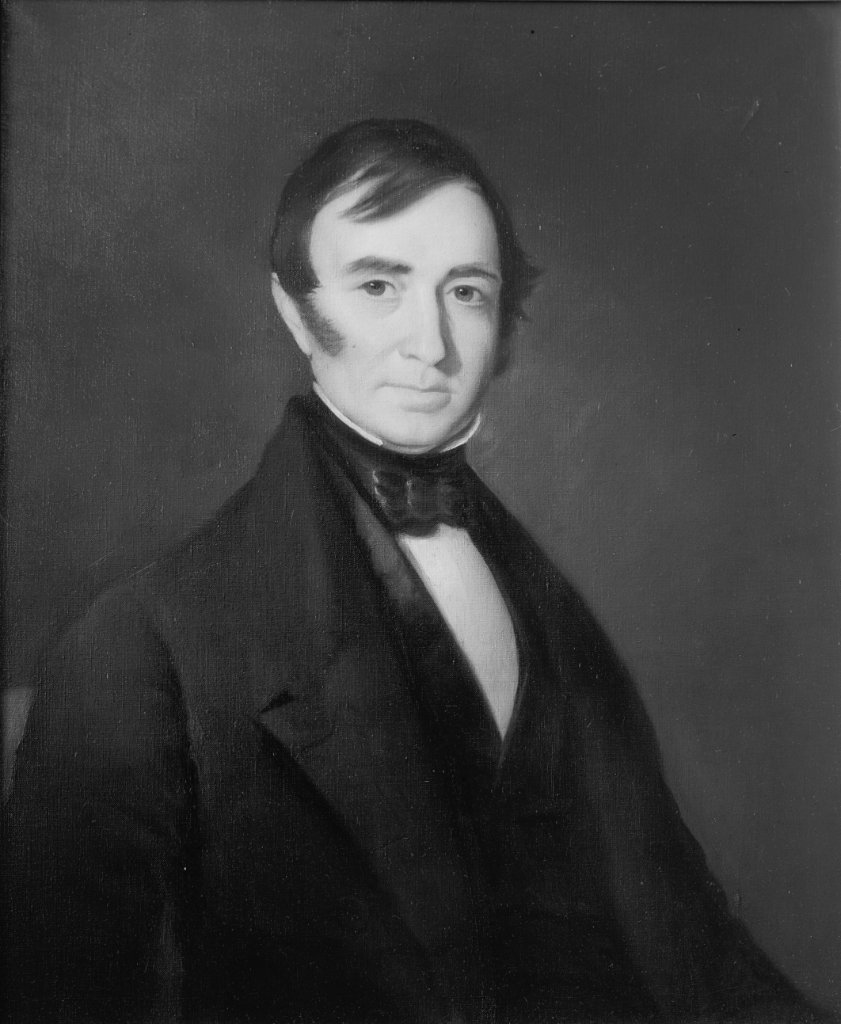
George Rust
Of the prominent Rust family of Loudoun County — neighbors and witnesses to the McCarty saga across decades.
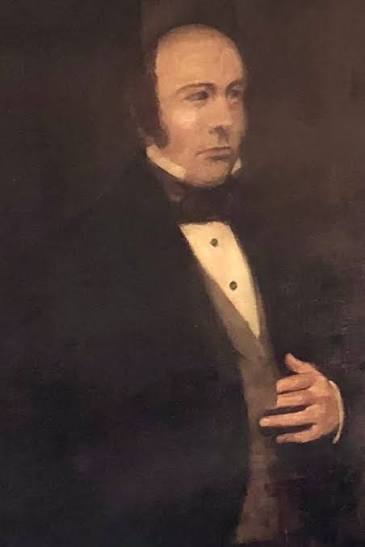
Ludwell Lee
Of the legendary Lee family — son of Richard Henry Lee and patriarch of Belmont. His prominence and connections embody the privileges and burdens of Virginia's aristocratic class, and through him readers see the powerful network of relationships that connected the Commonwealth's elite families.
Real Places
Every major location in the series is a real place Sharon Virts has visited, researched, and brought to life.

Armistead Mason's Estate — Charlotte's Fortress
Selma Mansion
Built c. 1810
Built by Armistead Thomson Mason at the foot of Catoctin Mountain. White Federal-style with Greek Revival columns — Armistead's monument to permanence and dynasty. After Bladensburg it becomes Charlotte's fortress and prison. Next door to Jack's Strawberry Plain for the full span of the series. Its story runs the full length of the series — from the duel that built it to the reckoning that closes it.
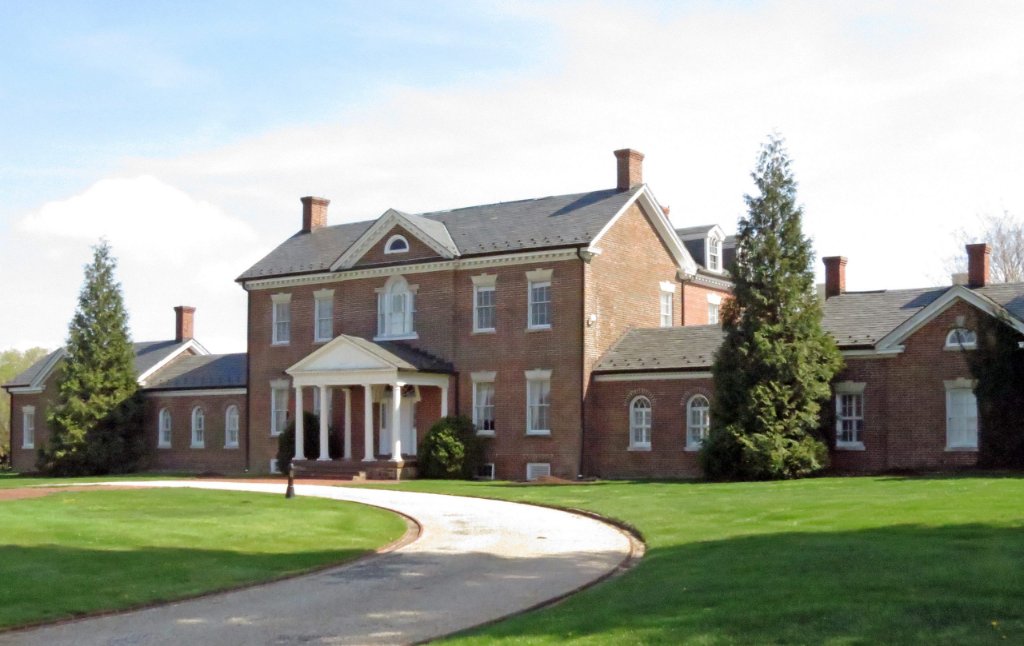
Colonel Ludwell Lee Estate — Leesburg, Virginia
Belmont
Built c. 1795
A Federal-style mansion built c. 1795, Belmont was the Leesburg home of Colonel Ludwell Lee before passing to the Harrison family. Its grand rooms and sweeping vistas made it a gathering place for the county's gentry — a setting for the assemblies, dinners, and negotiations that shaped local fortunes, including the Christmas Eve 1822 gathering that opens Bargains of Fate.
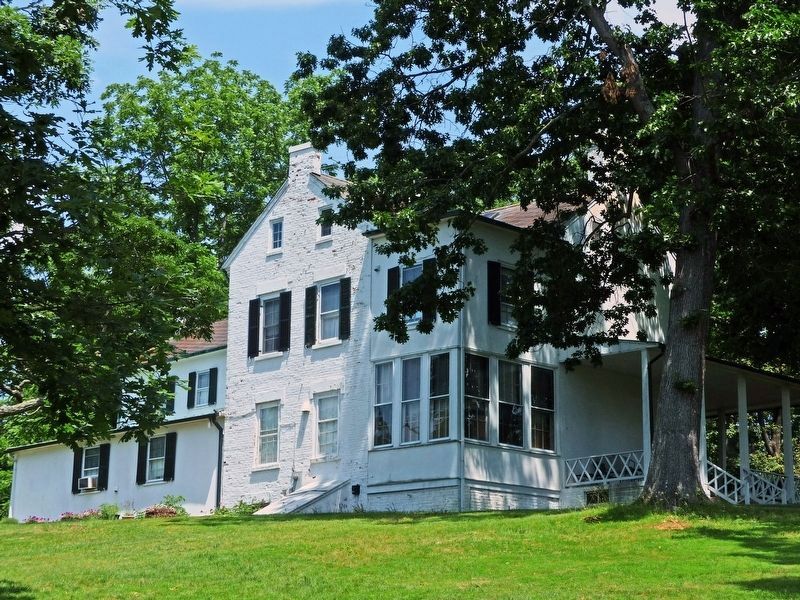
Charles Mercer's Residence — Political Power Center
Mercer House
Early 19th century
Home of Virginia Congressman Charles Mercer, whose political patronage and expectations shape Jack McCarty's early career. The house stands as a symbol of the established order — where deals are struck, alliances formed, and the price of compliance made clear.

Carter Family Estate — Loudoun County
Chestnut Hill
18th century
One of Loudoun County's distinguished estates, Chestnut Hill was part of the network of plantation houses that defined the region's social geography. The Carter family's prominence and the estate's position in local society made it a waypoint in the circuit of visits and gatherings that bound the gentry together.
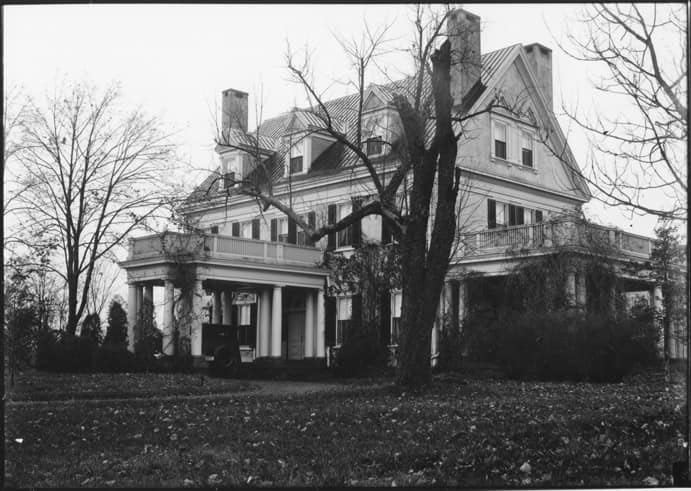
Lee Family Plantation — Loudoun County, Virginia
Coton Farm
Built c. 1796
Coton Farm (pronounced "coat-in") was an 18th-century historic plantation and farm in Loudoun County, Virginia, located along the Potomac River just east of Leesburg on land that is now part of the Lansdowne Resort. The land originated from an 11,182-acre tract received by Tidewater speculator Thomas Lee in the early 1700s. In 1796, Thomas Lee's grandson, Thomas Ludwell Lee, moved onto the property, built a house, and named it Coton Farm after his family's ancestral home in England. The farm grew wheat and corn, and operated a meat house and a local distillery. It famously hosted General Marquis de Lafayette during his travels, and the family hosted American soldiers for dinner during the War of 1812. The main house survived for generations before it was ultimately destroyed by fire in the mid-1980s.
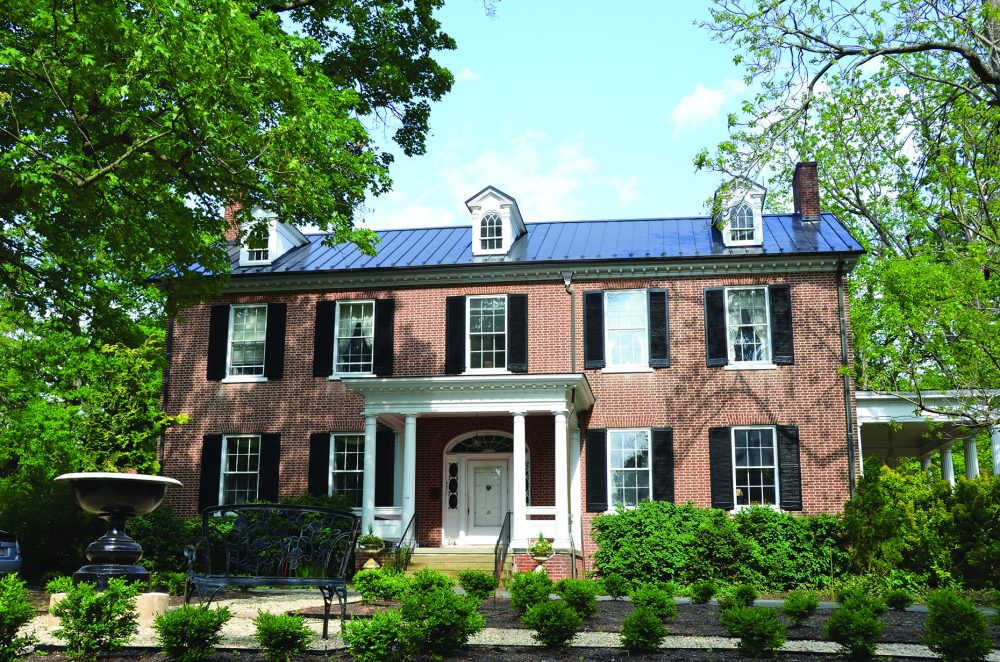
Historic Estate — Loudoun County
Rockland
18th century
Rockland stands among the many historic estates that dot the Loudoun landscape — a reminder of the agricultural wealth and social stratification that defined the region. Its fields and outbuildings tell the story of the labor and land that made the gentry's comfort possible.
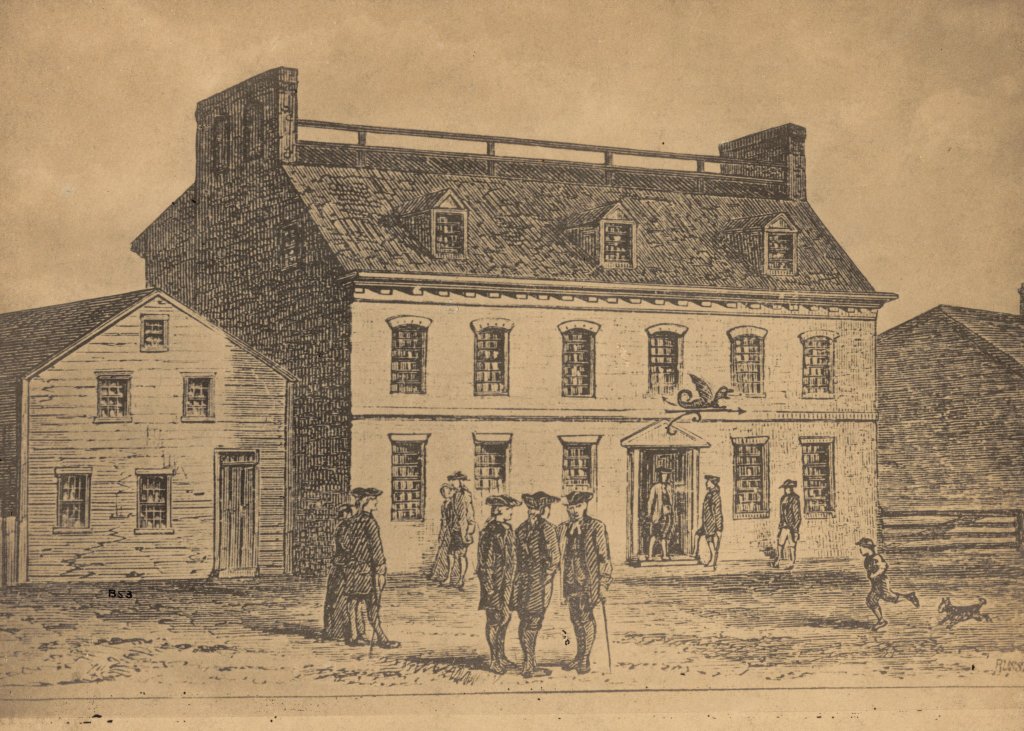
Public Gathering Place — Aldie, Virginia
Osbourn's Tavern
c. 1810
Aldie's historic tavern, where travelers, locals, and politicians gathered to exchange news, conduct business, and debate the issues of the day. Taverns like Osbourn's were the social media of their era — places where information spread, reputations were made and broken, and the public pulse could be taken.
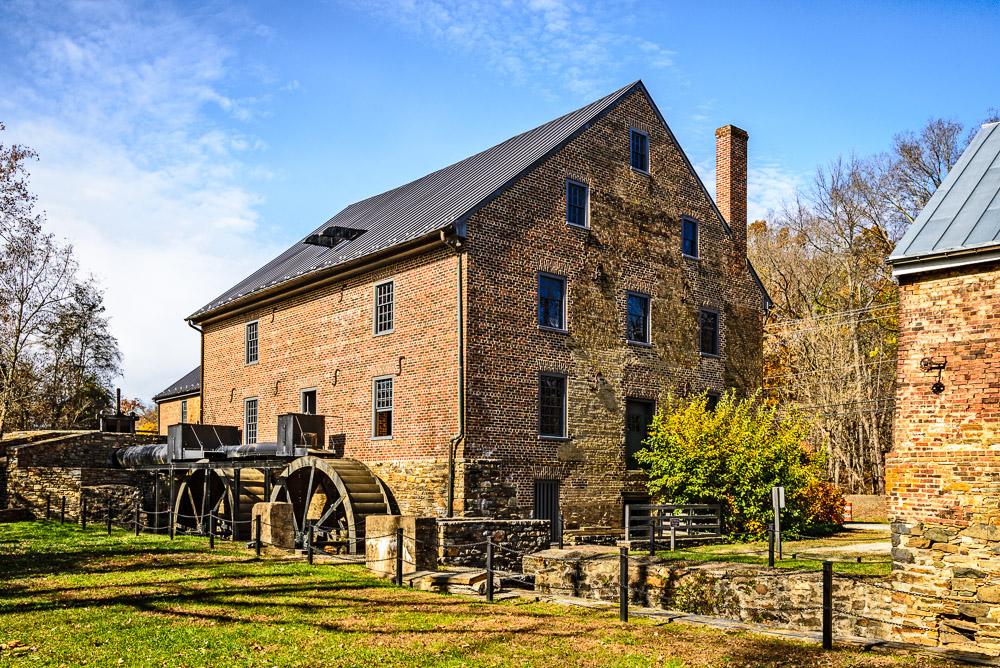
Commercial Center — Aldie, Virginia
Aldie Mill
Built 1810
The historic mill at Aldie was a commercial and social hub for western Loudoun County. Farmers brought their grain to be ground, merchants conducted business, and news traveled with the customers who came and went. The mill's operation was essential to the local economy and its position made it a natural gathering place.
Legal & Political Center — Loudoun County
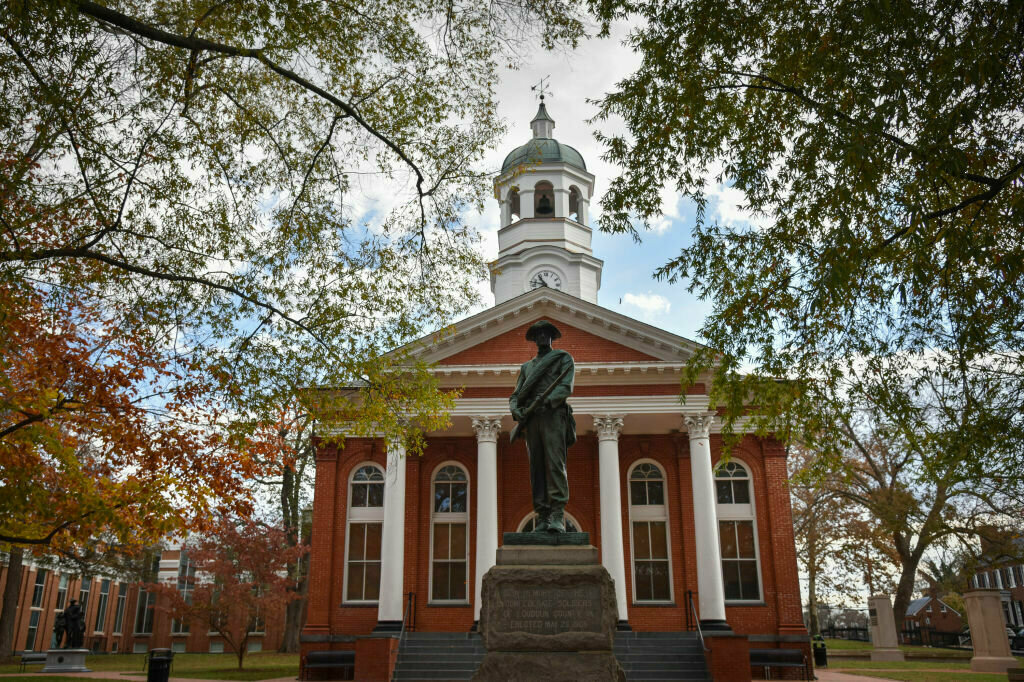
Leesburg Courthouse
1894 (current structure)
The courthouse square in Leesburg was the center of Loudoun County's legal and political life. Court days brought the county together — farmers, lawyers, politicians, and litigants all converging on the seat of justice. Trials, auctions, elections, and social gatherings all took place under the shadow of the courthouse, making it the stage for much of public life.
Jack & Lucinda's Home — Loudoun County, Virginia
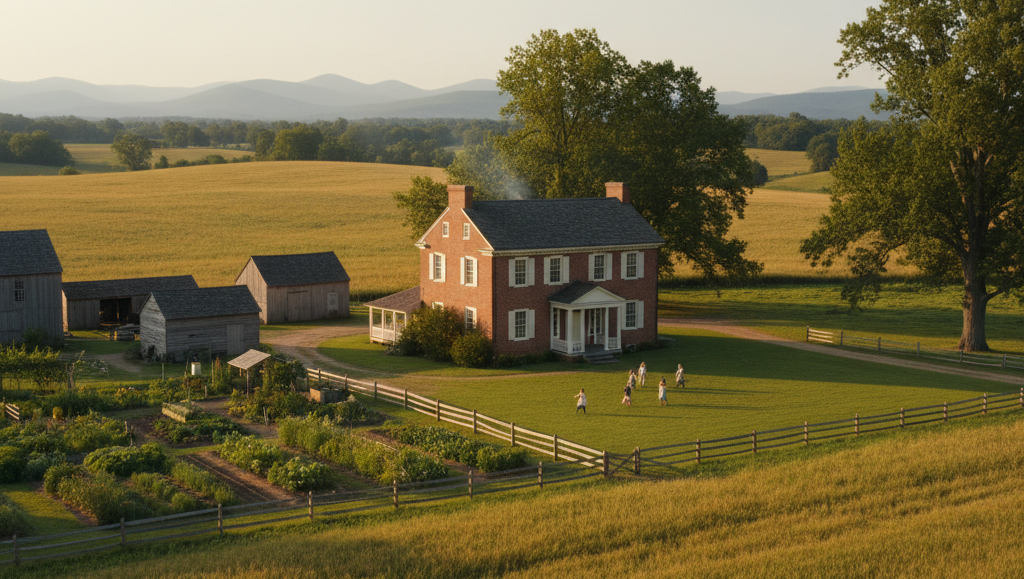
Strawberry Plain
Books 1–6
Jack and Lucinda's home. Where the family's story unfolds across the full span of the series — the celebrations, the losses, and the reckonings that define the McCarty family.

The Dueling Field — Three Moments Across the Series
Bladensburg, Maryland
Historic site
The same field, more than once. Mason falls here on a February morning in 1819 — and the ground does not let the story go. The field calls characters back across the span of the series, demanding reckonings that cannot be settled anywhere else. Some places hold a story so tightly that the only way to close it is to return.
Battle Site — War of 1812
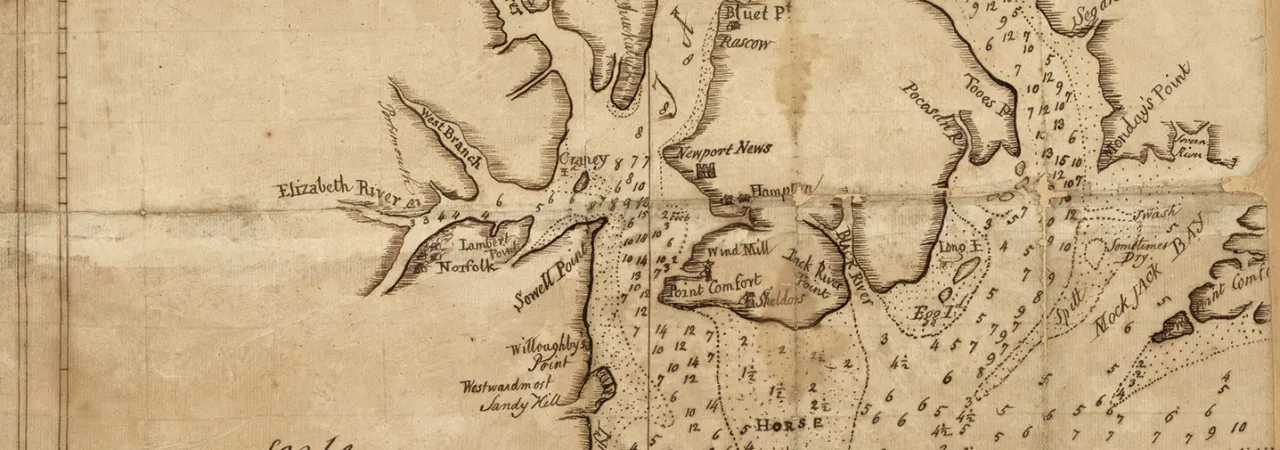
Craney Island
Fortified 1813
The fortified island near Norfolk where Virginia militia repelled a British assault in June 1813 — a decisive early engagement that echoes through the Mason family's story. The successful defense of Craney Island was one of the few bright spots in an otherwise humiliating war for the United States. Veterans of the battle appear throughout the series, their pride in that victory tempered by the knowledge of how close America came to losing everything.

Mason Estate — Managed by Jack in Book 4
Raspberry Plain
18th century
The ancestral seat of the Mason family — home to Stevens Thomson Mason and his line. When Jack manages it in William's absence, the estate becomes the setting for a family arrangement whose complications take years to untangle, and whose consequences reach further than anyone intended.

Jack's Washington Venture — Book 4
The American Hotel / Willard Hotel
Purchased Book 4
Jack's Washington venture — a hotel that becomes one of the most famous addresses in American political history. His greatest business venture and his most testing moral choices occupy the same building, and what he decides there follows him home to Virginia.

Jack's Exile — Book 5
The Wisconsin Territory
1835–1839
Jack rides west because he cannot stay in Virginia. The frontier — and a brutal winter spent far from everything he knows — forces a reckoning with grief that no drawing room or courtroom could contain. What he encounters in that distance changes him in ways he does not fully understand, and the man who returns is not the man who left. Absence does not preserve innocence. It merely abandons it.